
Our Story /

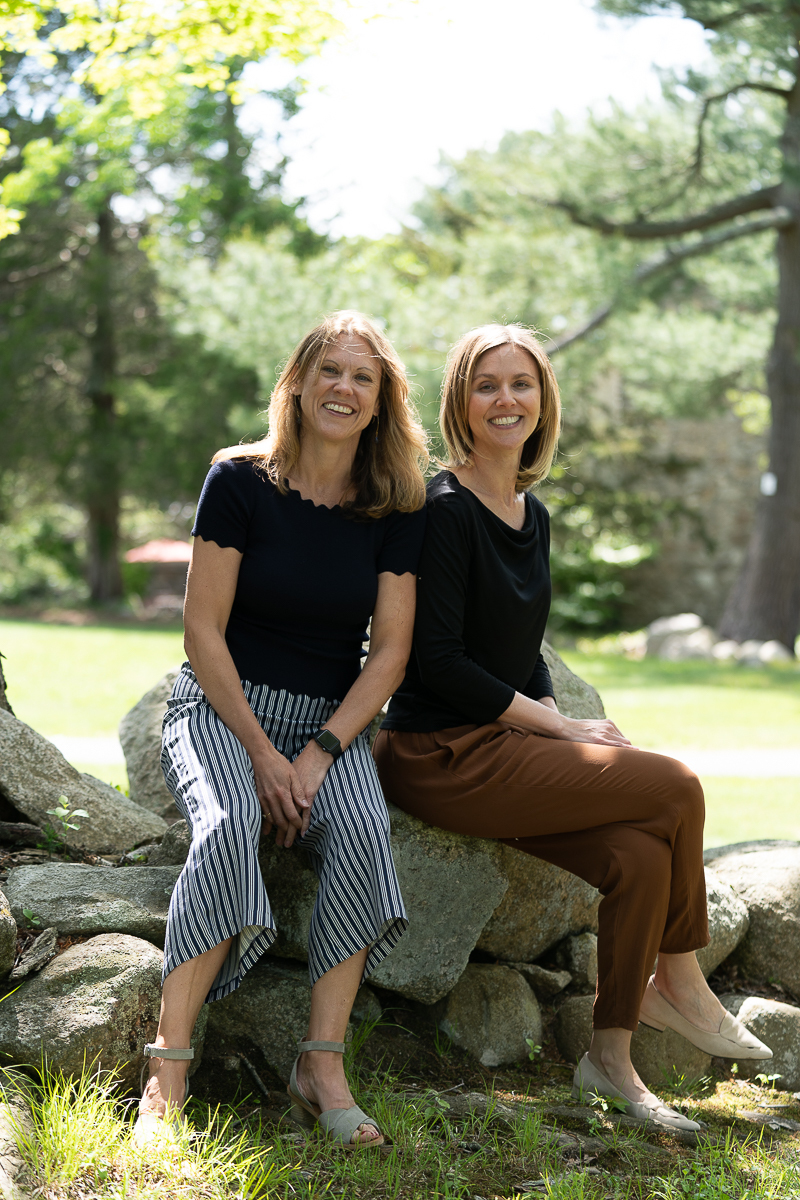
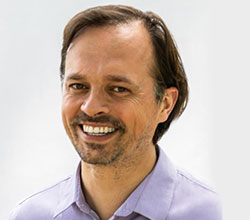
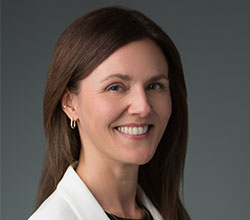
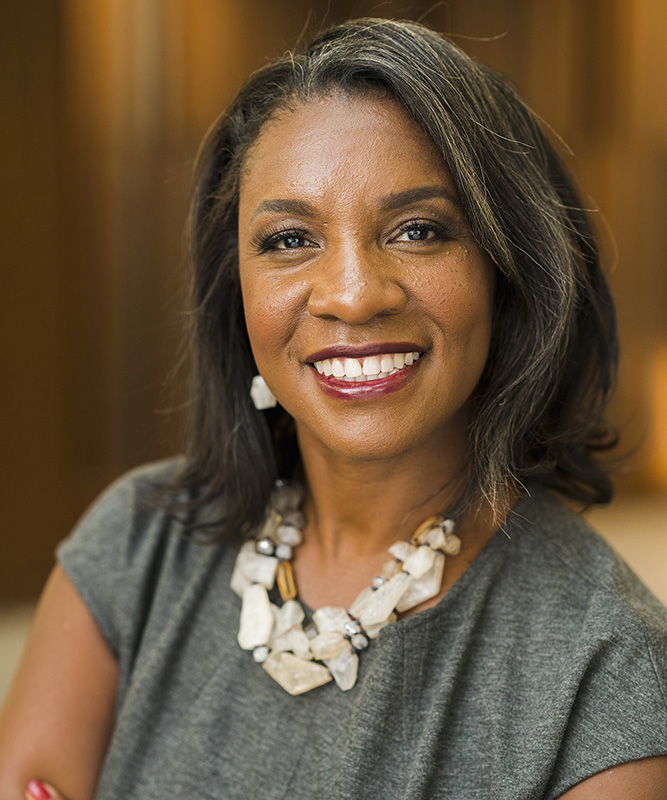
Shift co-founders Caroline Rees and Rachel Davis
It was June 2011. Our excitement easily overshadowed how exhausted we were. After five intense years of conducting research, facilitating dozens of consultations and engaging with thousands of people around the globe, our efforts had paid off. The UN Guiding Principles on Business and Human Rights (UNGPs), authored by Professor John Ruggie, had just been unanimously endorsed by the UN Human Rights Council.
To many, it was the culmination of a project. To us, it was only the beginning.
Having closely accompanied Professor Ruggie throughout his mandate, we knew that the Guiding Principles would only be truly transformative if all parties who had come to the table would now get down to the business of implementation. Governments, businesses, investors, NGOs… everyone needed to do their part to put words into action. The three pillars of the UNGPs were in place. It was now time to build a new paradigm for doing business upon them.
This is how Shift was born: out of the conviction that respect for people’s dignity must be embedded in how business gets done – and a determination to help make that a reality.
More than 15 years later, that purpose continues to guide us. Starting from a small office in New York, we have grown into a globally dispersed team of experts shaping the standards, practices and incentives across the business and human rights landscape.
Along the way, our work has evolved too: from helping organizations put the UN Guiding Principles into practice, to translating lessons from implementation into stronger standards and policy, and bringing diverse actors together to tackle systemic challenges that no single organization can solve alone.
We are proud of how far this work has come and of the role Shift has played in moving it forward. We have helped shape how businesses understand and conduct human rights due diligence; influenced voluntary and mandatory reporting and due diligence standards; advanced practice among lenders and investors; pioneered new approaches to measuring what matters for people; and worked with diverse partners to apply the UNGPs to new and evolving challenges.
Through all this change, one thing has remained constant: our focus on better outcomes for people.
Today, as expectations of responsible business conduct continue to evolve, we are building on what we have learned to help shape what comes next – advancing better standards, better practice and new solutions that keep respect for human rights at the heart of how business gets done.