

Stakeholder Engagement /
An essential business practice for effective due diligence and remedy

Our work /
Businesses make better decisions when they understand the experiences, priorities and perspectives of the people who may be affected by their decisions.
Meaningful engagement with workers, communities, consumers, as well as subject matter experts provides insight that cannot be gained through data, audits or desktop analysis alone.
We have a track record of:
- Supporting businesses to build stakeholder engagement disciplines to help understand how impacts arise, design more effective responses, and evaluate whether actions are leading to better outcomes for people.
- Shaping standards such that the stakeholder engagement expectations of the UN Guiding Principles and OECD Guidelines are now increasingly embedded into industry guidance and legal requirements under due diligence and sustainability reporting regulations worldwide.
- Researching and publishing the evidence demonstrating how high-quality engagement reduces operational disruption, strengthens social licence and helps manage financial risk.
Our approach /

Helping build stakeholder engagement systems and skills
We help companies and financial institutions build the governance, capabilities and confidence needed to engage effectively with affected stakeholders. This sets the foundation for ongoing process of interaction and dialogue through which our partners can hear, understand, learn from and respond to the perspectives of credible experts as well as workers, communities and consumers.
Our work has included: designing governance, accountability and escalation processes that support effective engagement; building practical engagement capabilities across business functions and leadership teams; strengthening approaches for evaluating the quality and effectiveness of engagement over time.
Facilitating engagement on complex challenges
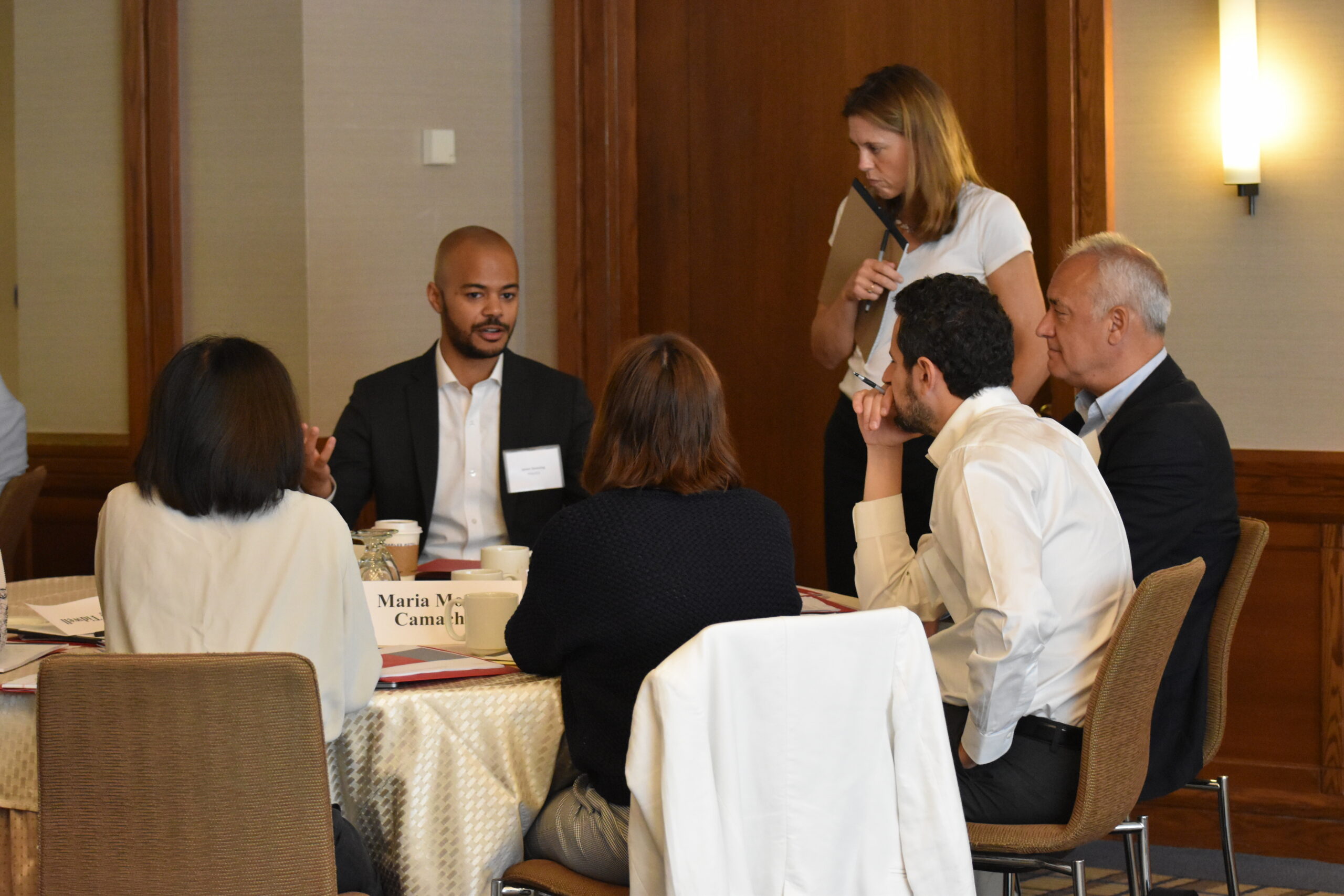
Some of the most difficult business decisions require trusted facilitation between companies and external stakeholders. Drawing on decades of experience, we help organizations create constructive dialogue around complex issues where there are differing perspectives, competing interests or significant human rights risks.
Our experience has included: supporting a company to build a relationship with local civil society organizations to discuss land rights impacts; facilitating dialogue between multinational companies and global union federations as part of addressing labor disputes; designing and hosting exchanges between third-party experts and a technology company as it navigated questions about sales to high-risk customers.

Embedding engagement in standards, guidance and understandings of financial risk
Through our work with standard setters, regulators, financial institutions and other partners, we help embed meaningful engagement into due diligence and reporting frameworks, and into the way company performance is evaluated.
We develop and promote requirements, indicators and metrics that place emphasis on good quality engagement by business as an essential component of effective human rights due diligence and in the design and implementation of operational grievance mechanisms.
We research and demonstrate the business case for effective stakeholder engagement and the predictable financial consequences for companies of engaging late or inadequately with affected rightsholders.
Featured resources /

Community Engagement, Nature and Financial Materiality
An evidence review on the financial effects of engagement with Indigenous Peoples and local communities on nature-related Issues – demonstrating that meaningful engagement is financially material, helping companies reduce risk, strengthen resilience, avoid costly conflict, and improve nature-related decision-making.

TNFD Stakeholder Engagement Guidance
Developed by Shift for the TNFD, this guidance helps companies and financial institutions meaningfully engage Indigenous Peoples, Local Communities and affected stakeholders to strengthen nature-related due diligence, governance and disclosures.
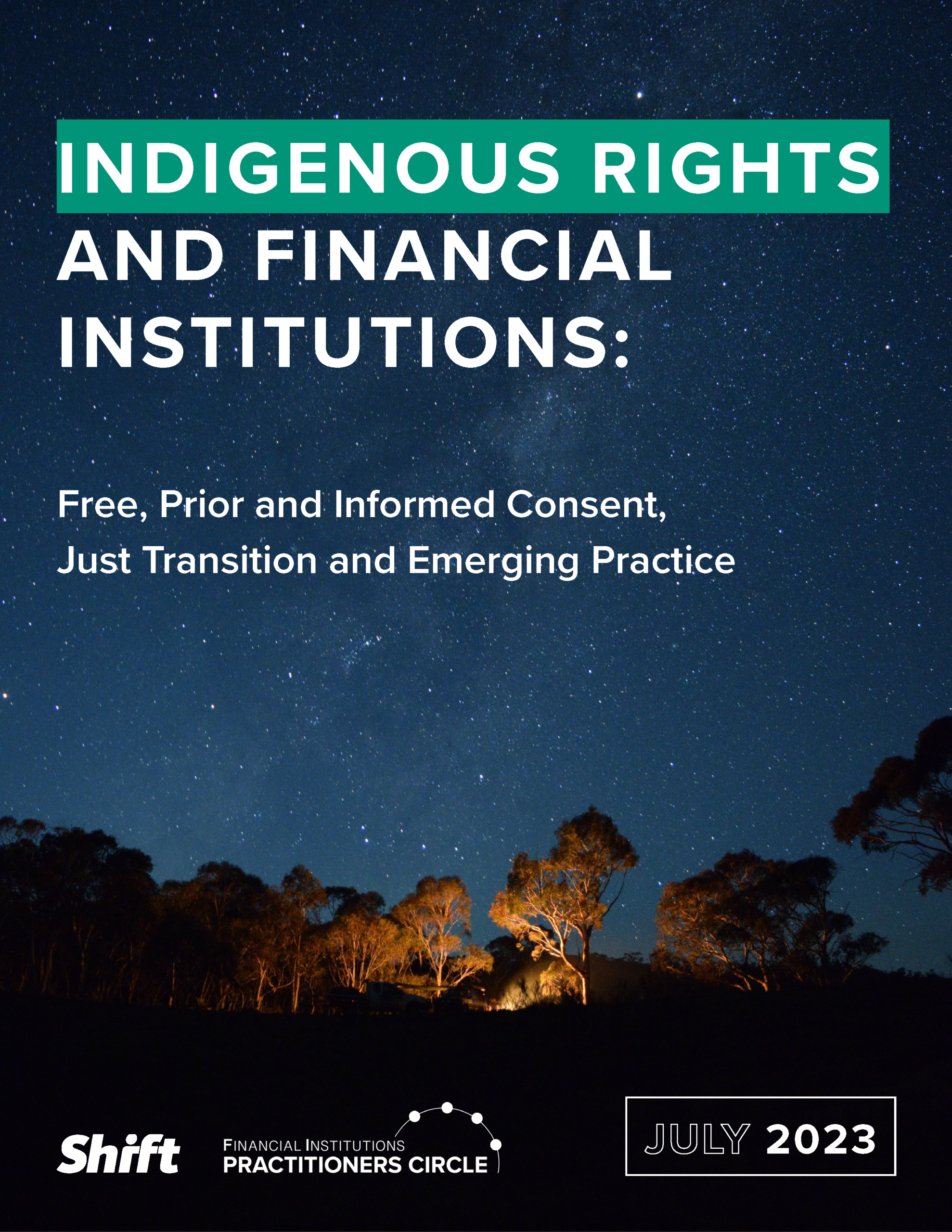
Indigenous Rights and Financial Institutions
Key takeaways from one of Shift’s Financial Institutions Practitioners Circle (FIs Circle) sessions, focused on FPIC as a process to safeguard Indigenous Peoples rights to self-determination, to participation, and to their lands, territories and resources.
The Fair Circularity Principles
Shift helped to develop the Fair Circularity Principles, and the Harmonized Resourcing Sourcing Framework for Recycled Materials, working with companies, NGOs, and informal waste workers to establish shared expectations for respecting the rights of waste pickers in recycled plastics value chains.
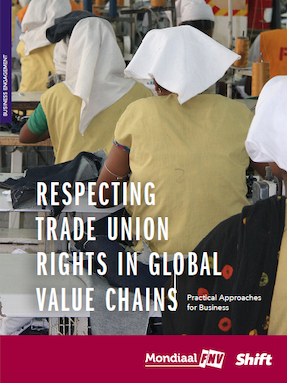
Respecting Trade Union Rights in Global Value Chains
Practical guidance – developed by Shift and Mondial FNV – for companies on engaging workers and trade unions as essential partners in human rights due diligence, helping businesses strengthen dialogue, identify risks early, respect labour rights, and improve outcome.
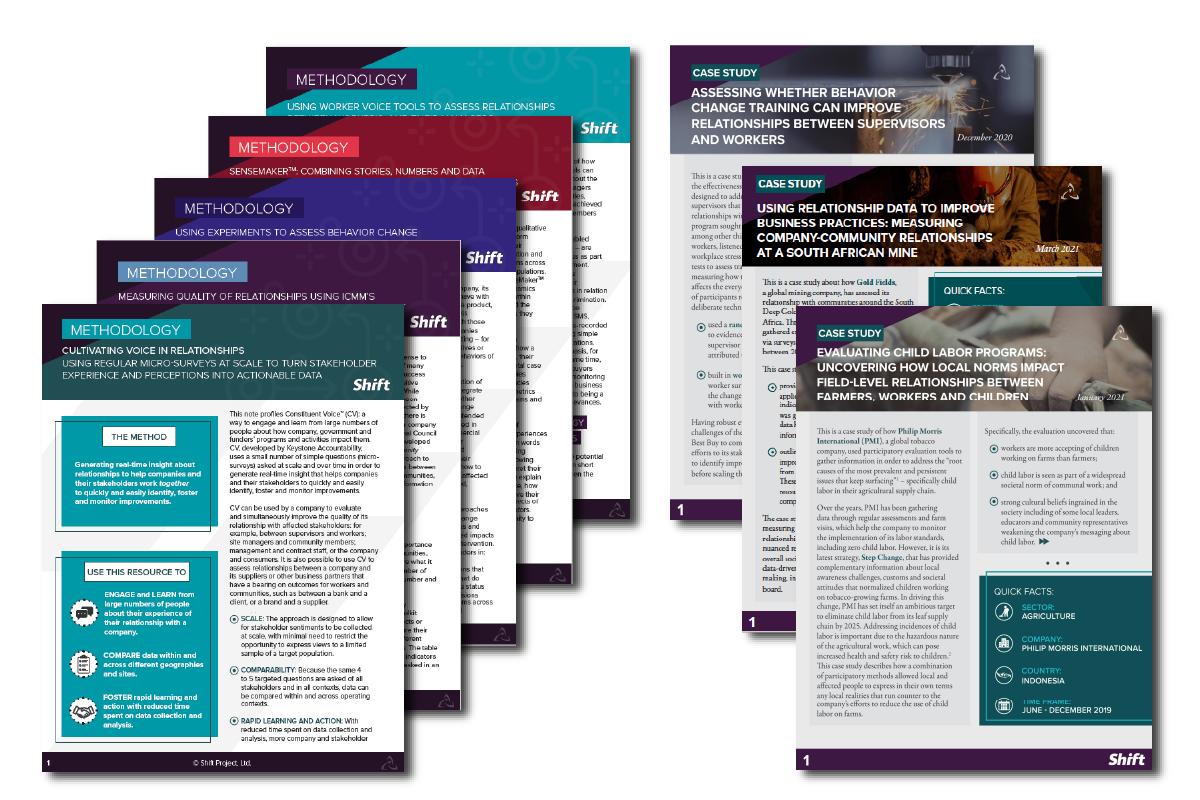
Assessing the Quality of Relationships
The Quality of Relationships collection consists of eight resources: a series of three case studies and five methodologies, featuring a variety of contexts, industries and tools to help companies assess the quality of relationships and embed stakeholder voice across their due diligence efforts.
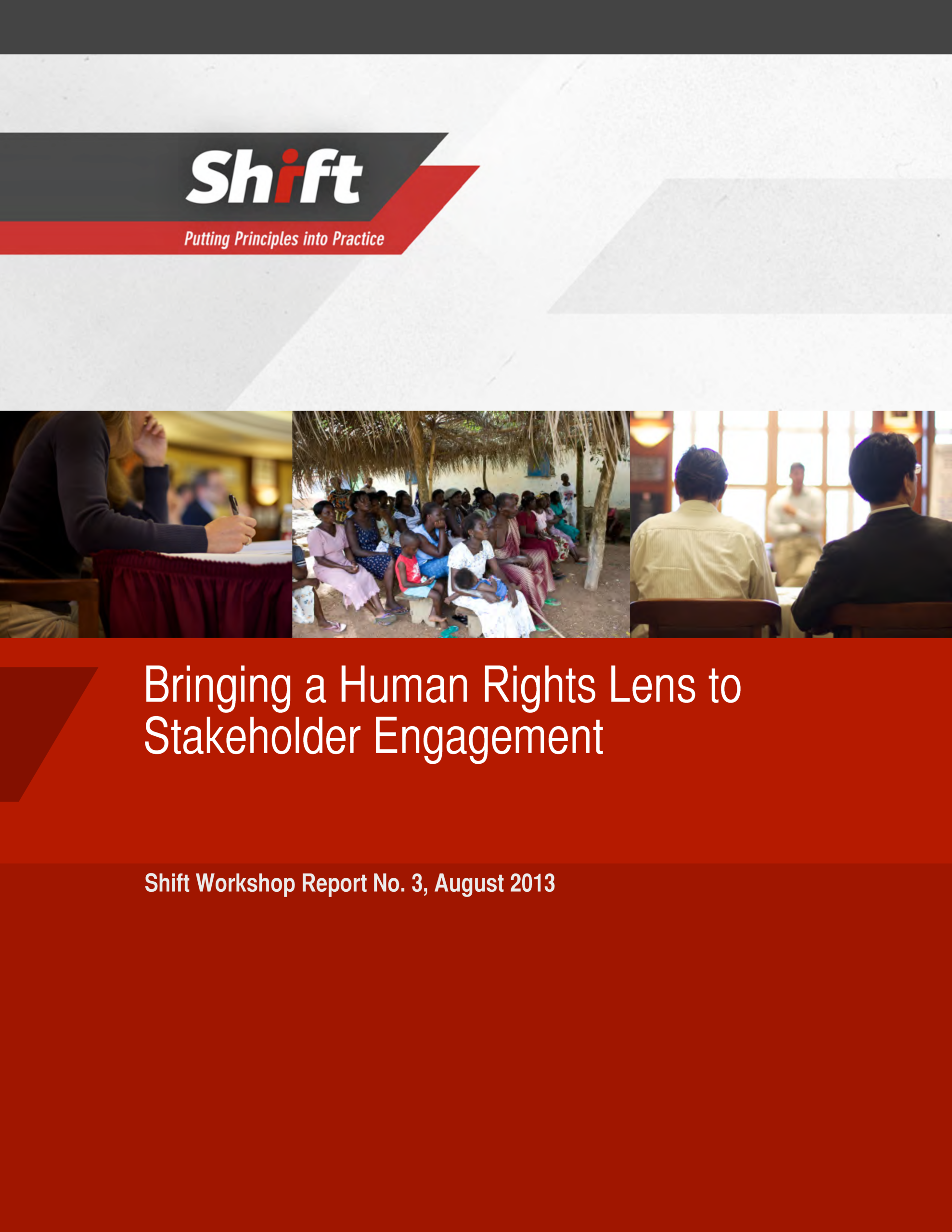
Bringing a Human Rights Lens to Stakeholder Engagement
This resource outlines what it takes for companies to conduct meaningful engagement with the stakeholders their business affects – and its pivotal role in the effective management of human rights risks and impacts.