

Standards /
Shaping the rules that govern how business gets done

Our work /
Laws, voluntary standards and guidance all shape the decisions companies and financial institutions make, the incentives they respond to, and ultimately the outcomes they create for workers, communities and consumers.
Through formal partnerships and public advocacy, Shift works with governments, regulatory agencies, intergovernmental organizations, private standard-setting bodies and multi-stakeholder initiatives to support the development and implementation of standards that advance respect for human rights.
- We work to ensure these standards are grounded in the international due diligence standards – the UN Guiding Principles on Business and Human Rights (UNGPs) and the OECD Guidelines for Multinational Enterprises – creating the rationale for companies and financial institutions to invest in a single, robust approach to human rights and environmental due diligence that delivers results for people, planet and business.
- We advocate for standards that reward and incentivize respect for people, while discouraging, restricting and appropriately sanctioning business practices that place people at risk.
- We focus on both due diligence and reporting standards because they are two sides of the same coin: they require companies to know about and manage their impacts on people and planet and then show through their reporting how they are going about this.
What we bring /
Deep expertise, grounded in practice /
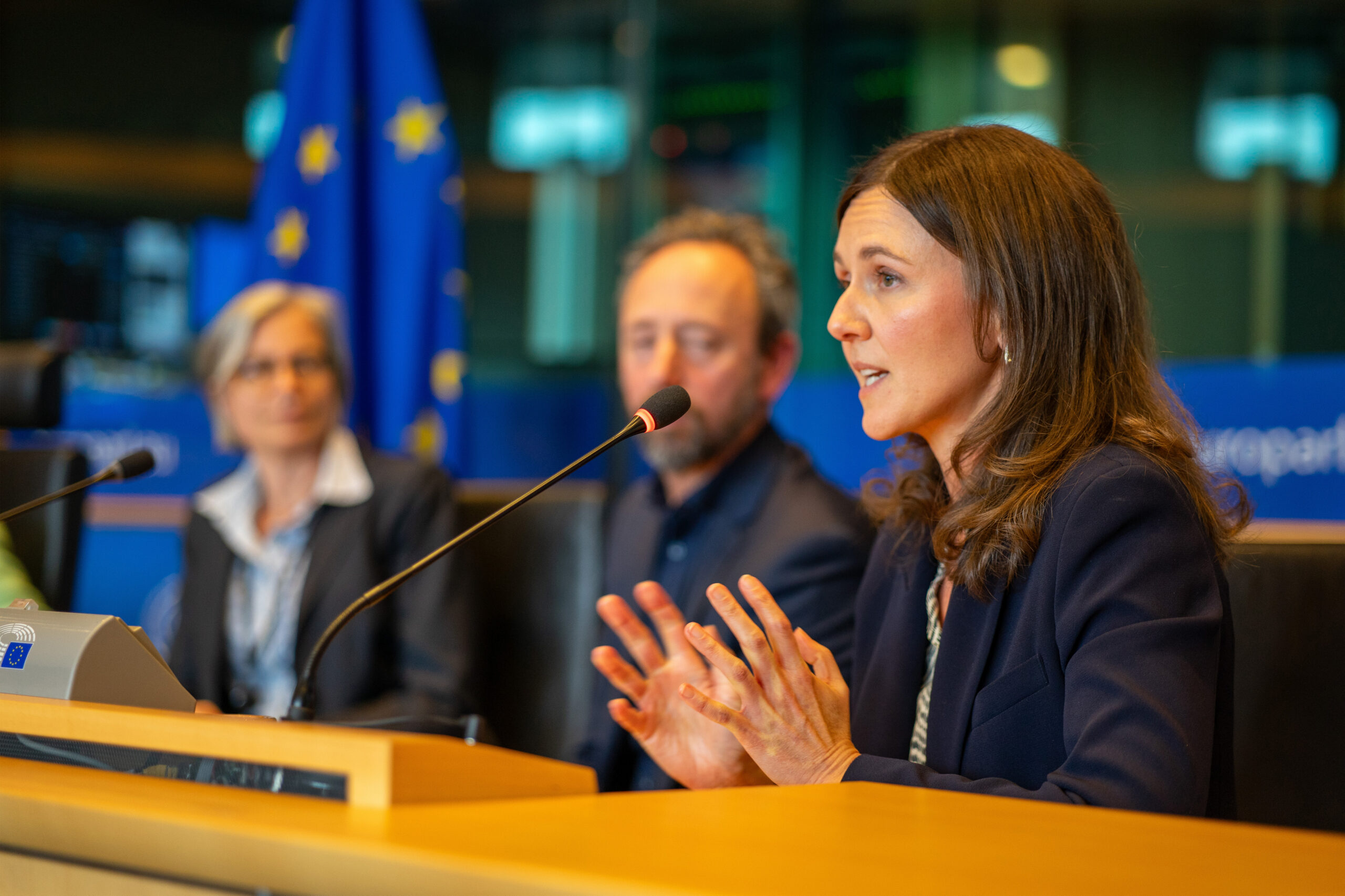
Our co-founders helped develop the UNGPs, and we have remained at the forefront of shaping the due diligence and reporting standards that build on them. Combining authoritative expertise with practical implementation experience, we help ensure standards are both aligned with international expectations and capable of driving better outcomes for people.
An independent and authoritative voice /
The ability to build consensus /
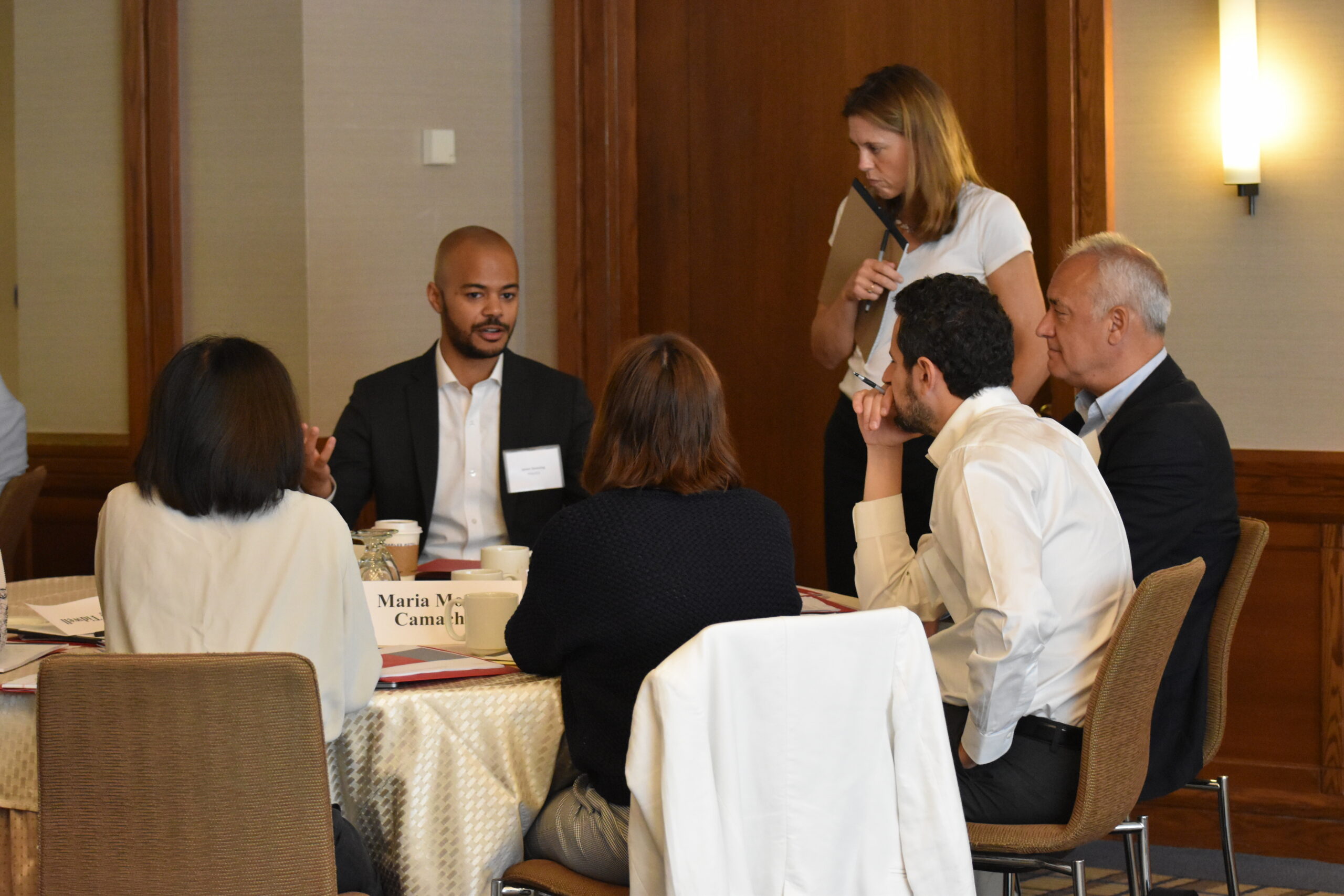
We are trusted to convene governments, regulators, business, investors and civil society around difficult issues. By creating space for constructive dialogue, we help diverse stakeholders find common ground while keeping better outcomes for people at the centre.

A consistent focus on impact /
We are committed to achieving impact at two levels: helping standards drive immediate improvements in how businesses prevent, and address impacts on people today, while also shaping the broader rules, incentives and institutions that create the conditions for a fairer economic system.
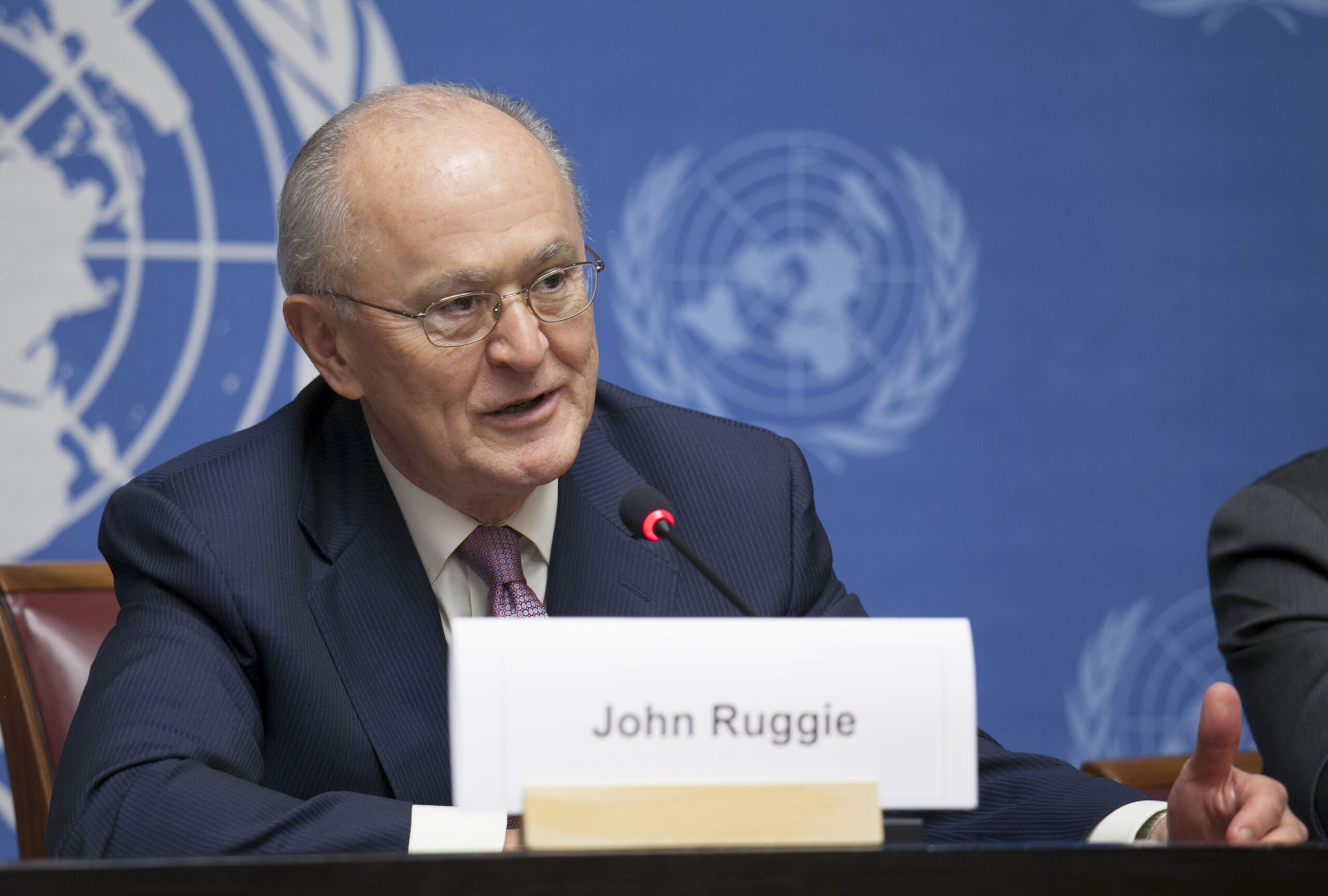

The UNGPs are not merely a text. They were intended to help generate a new regulatory dynamic, one in which public and private governance systems, corporate as well as civil, each come to add distinct value, compensate for one another’s weaknesses, and play mutually reinforcing roles—out of which a more comprehensive and effective global regime might evolve.”
Professor John Ruggie / Author of the UN Guiding Principles and Founding Chair of Shift’s Board
Our track record /
15 years influencing the responsible business conduct landscape
As the field has evolved, so too has our focus, anticipating where attention is needed to advance the global implementation of the UNGPs. Rather than concentrating on only mandatory or voluntary standards, we have worked across the spectrum, consistently advancing towards the next challenge and opportunity to effect change.
Building the foundations of implementation
Following the endorsement of the UNGPs in 2011, there was an immediate need for practical guidance to help organizations understand what effective human rights due diligence looked like.
We worked with governments, international organizations, industry and multistakeholder initiatives, trade unions and business associations to develop many of the early resources that established common approaches across sectors and issues. This included supporting the European Commission’s early sector-specific guidance, working with industry and multistakeholder initiatives such as ICMM and the Global Network Initiative on aligning their frameworks with the UNGPs, supporting the Netherlands’ innovative sectoral covenants involving stakeholders across 11 industry sectors, and working with international partners including the ILO and IOE to develop practical guidance on applying the UNGPs to specific issues such as child labor.
The critical role of governments and public institutions
Our work has supported governments in embedding the UNGPs into various mechanisms of state financing for the private sector (particularly export credit, development finance and trade promotion). This has included helping Finland integrate human rights expectations across private sector investment mechanisms, advising Peru’s financial regulator on the materiality of company-community conflict, supporting individual national export credit agencies such as Export Development Canada, and working with national development finance institutions as well as with the IFC and regional mechanisms. We have also developed and led trainings and produced practical guidance on business and human rights for ministry and embassy staff to strengthen government support for responsible business conduct at home and abroad.
Advancing reporting, measurement and accountability
Our work has included developing the UNGP Reporting Framework and associated Assurance Framework, advancing practical approaches to social performance measurement through initiatives such as our Valuing Respect Project, contributing to the evolution of GRI’s human rights reporting standards, and serving as a founding partner of the Taskforce on Inequality and Social-related Financial Disclosures (TISFD).
Influencing robust regulation
As attention turned to the role of mandatory due diligence and reporting in advancing responsible business conduct, our work increasingly focused on strengthening the policy foundations for effective regulation.
Our current focus /
Maximizing the positive impact of standards
Under our current strategy, Shift is focused on helping ensure that influential mandatory and voluntary standards are both aligned with the UNGPs and supported by practical insights and resources that enable effective implementation by business and robust enforcement, helping to normalize respect for people in how business gets done.
To achieve this, we are:
- Engaging with governments around the world to ensure that the implementation and enforcement of existing human rights due diligence and reporting laws, and the development of new laws, are substantially aligned with the international due diligence standards.
- Developing practical resources and methodologies, grounded in the UNGPs, to support effective implementation by business of human rights due diligence and reporting standards.
- Building the evidence base of what makes implementation both impactful for people and feasible for companies, drawing on lessons from practice across contexts.
- Pushing for convergence across sustainability reporting standards, based on the connections between impacts on people, rising inequality and risks to business resilience, and supported by indicators and metrics that provide meaningful insight into companies’ social performance.
Featured resources /
CSDDD Explainer series
Short briefings for company practitioners on key aspects of the CSDDD to support robust implementation in alignment with the UNGPs.
Putting the European Sustainability Reporting Standards into Practice
Practical guidance for implementing the ESRS in ways that strengthen human rights reporting, sustainability practice, and risk management.
Designing Enforcement of Mandatory Due Diligence
Recommendations from our project with the UN Office of the High Commissioner for Human Rights on setting up effective administrative oversight of corporate compliance with due diligence legislation.
Guidance on Business and Human Rights for Embassy Staff
A primer for embassy staff in any government. This resource was developed with support from the US Department of State’s Bureau of Democracy, Human Rights and Labor and reflects our experience working with multiple governments; the views are Shift’s alone.
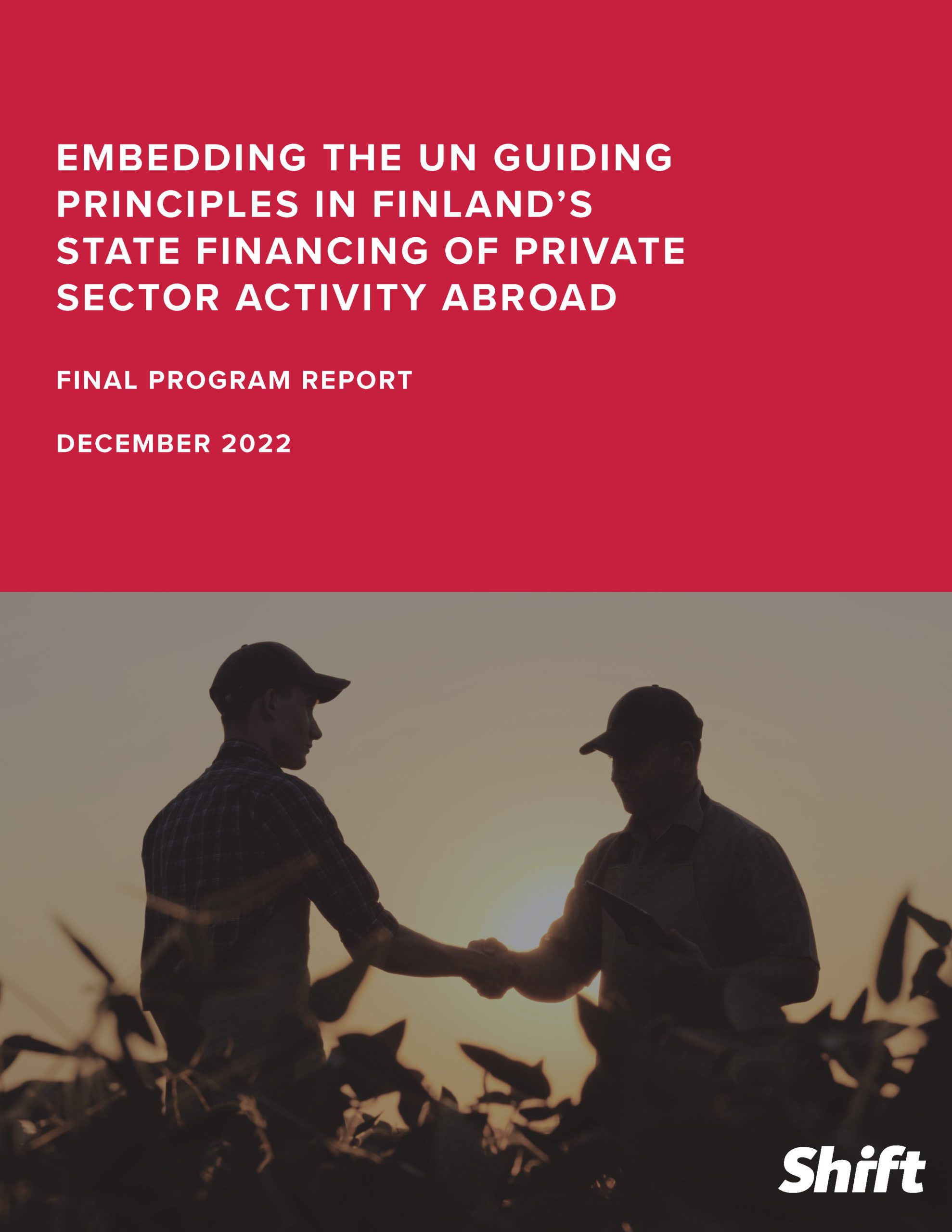
Finnish State Support for Private Sector Investment Abroad
A leading example of policy coherence integrating the UNGPs into the work of state agencies and funds supporting Finnish business investments.

Advising the Peruvian Financial Regulator on Management of Company-Community Conflict
An early example of a regulator using its mandate to incentivise company attention to material human rights issues.

Supporting the Netherlands on Negotiated, Sector-Wide Covenants
An example of a government convening stakeholders to make progress on identifying common risks in order to speed up action in key sectors where Shift provided extensive support.