

Human rights of informal waste sector workers /
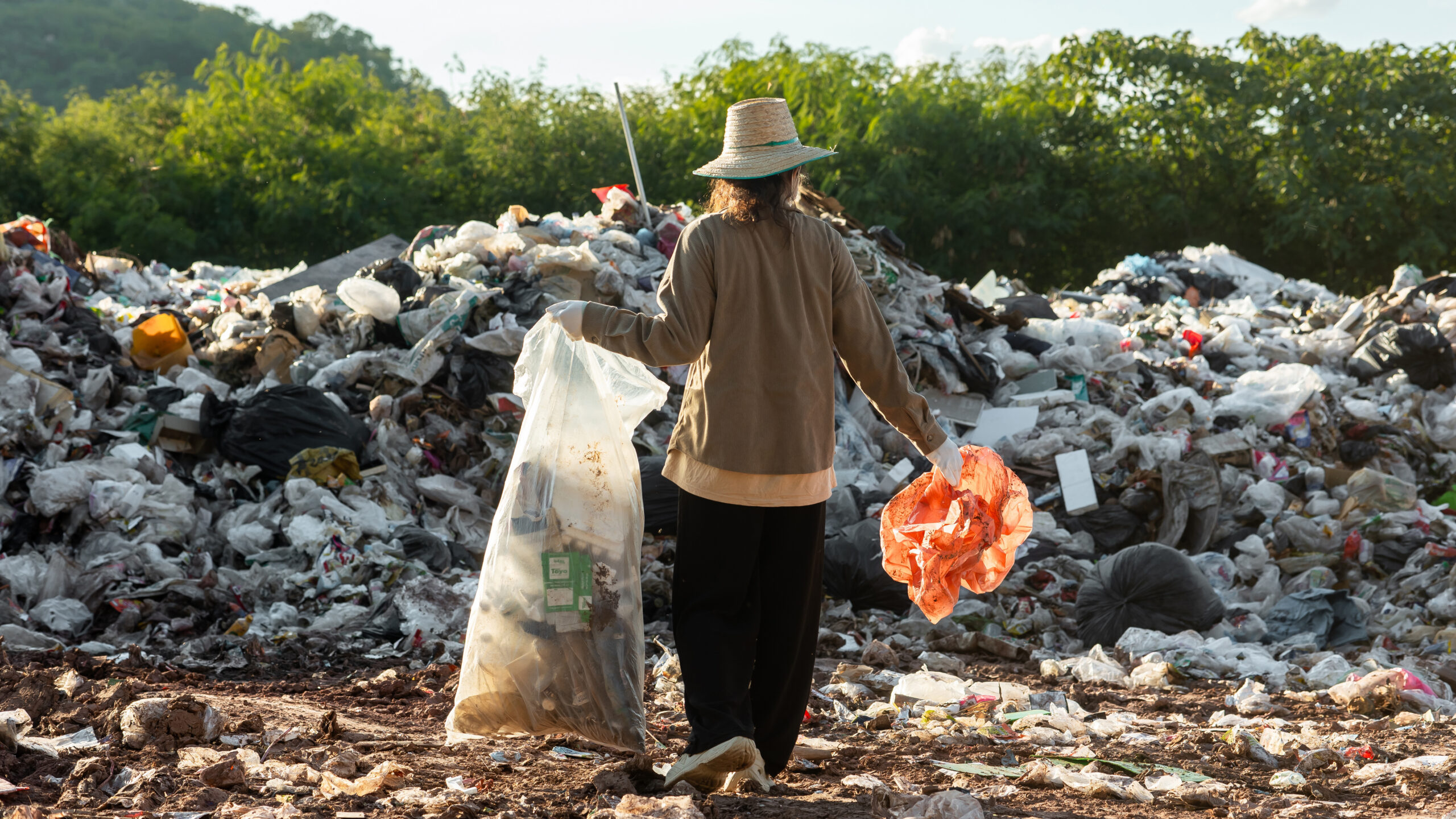
The business of recycling plastics plays an essential role in the global economy. Plastics waste and recycling value chains are highly complex, localized and diverse, and involve a broad range of public and private sector actors, including workers in the informal waste sector.
The historical and ongoing contributions of informal waste pickers to waste management and recycling are significant, yet they remain vulnerable to a broad range of severe human rights impacts.
Shift recognizes the need to elevate attention to this issue among all stakeholders. We have collaborated extensively with companies, NGOs and representatives of waste pickers since 2020 to advance tools and approaches to addressing the human rights of waste pickers with the aim of ensuring that the perspectives and needs of waste pickers are considered as part of companies’ due diligence.
Our first step was to work with a group of consumer-facing companies and the NGO Tearfund, with input from waste picker associations, to develop a set of principles applicable to all corporate actors in the plastics recycling value chain. The Fair Circularity Principles (which now underpin the Fair Circularity Initiative) apply the expectations of the UNGPs to inform corporate engagement with the informal waste sector. These include:
- Recognizing the critical role of informal waste sector workers in plastics waste and recycling value chains;
- Acknowledging the corporate responsibility to respect the rights of informal waste sector workers;
- Engaging all value chain actors towards coherent and comprehensive approaches;
- Meaningful engagement with informal waste pickers;
- Identifying and addressing barriers to promoting rights-respecting practices; and
- Government engagement to create enabling environments for rights-respecting business practices.
Shift subsequently worked with The Circulate Initiative (TCI) to develop a comprehensive framework for action that would enable companies and other actors in the value chain to put the Fair Circularity Principles into practice at scale by converging efforts and avoiding duplication. Grounded in the UNGPs, the Harmonized Responsible Sourcing Framework for Recycled Materials was developed through a collaborative and participatory process among consumer-facing companies, recyclers, and representatives of waste pickers. It is adapted to the context of the informal waste sector and takes account of the particular needs and capabilities of the actors themselves, including waste pickers, in being able to adopt and use the framework in practice.
Rather than a compliance model, the Harmonized Framework emphasizes processes and tools that promote collaboration as the best means to drive improvements, leading to a better understanding by companies of how the UNGPs apply to informal sectors. While initially focused on plastics, the Framework has broad application across recycled materials value chains.
Shift has also developed an analysis for TCI showing how the Harmonized Framework can facilitate implementation of the CSDDD in the recycled materials value chain, both by improving outcomes for informal waste workers and supporting value chain actors to meet their obligations under the CSDDD where recycled content forms a key input to their products.
The human rights of waste pickers can still be a blind spot for companies. Through our work on this topic, we want to help transform the way waste pickers are seen and considered in value chains and circularity initiatives and ultimately help improve their lives.