

Reflections on 15 Years of the UNGPs: Progress in Realizing the Right to a Clean, Healthy and Sustainable Environment in Africa /
By Furaha Charo*
November 20, 2026
Africa pioneered legal recognition of the link between human rights and the environment. The African Charter on Human and Peoples’ Rights is the first regional human rights instrument to have entrenched a legally binding and justiciable right to a generally satisfactory environment.
Regional human rights bodies such as the African Commission on Human and Peoples’ Rights and the African Court on Human and Peoples’ Rights have further clarified and advanced the scope of environmental rights. Additionally, all African states now recognize the right to a healthy environment through constitutions or legislation.
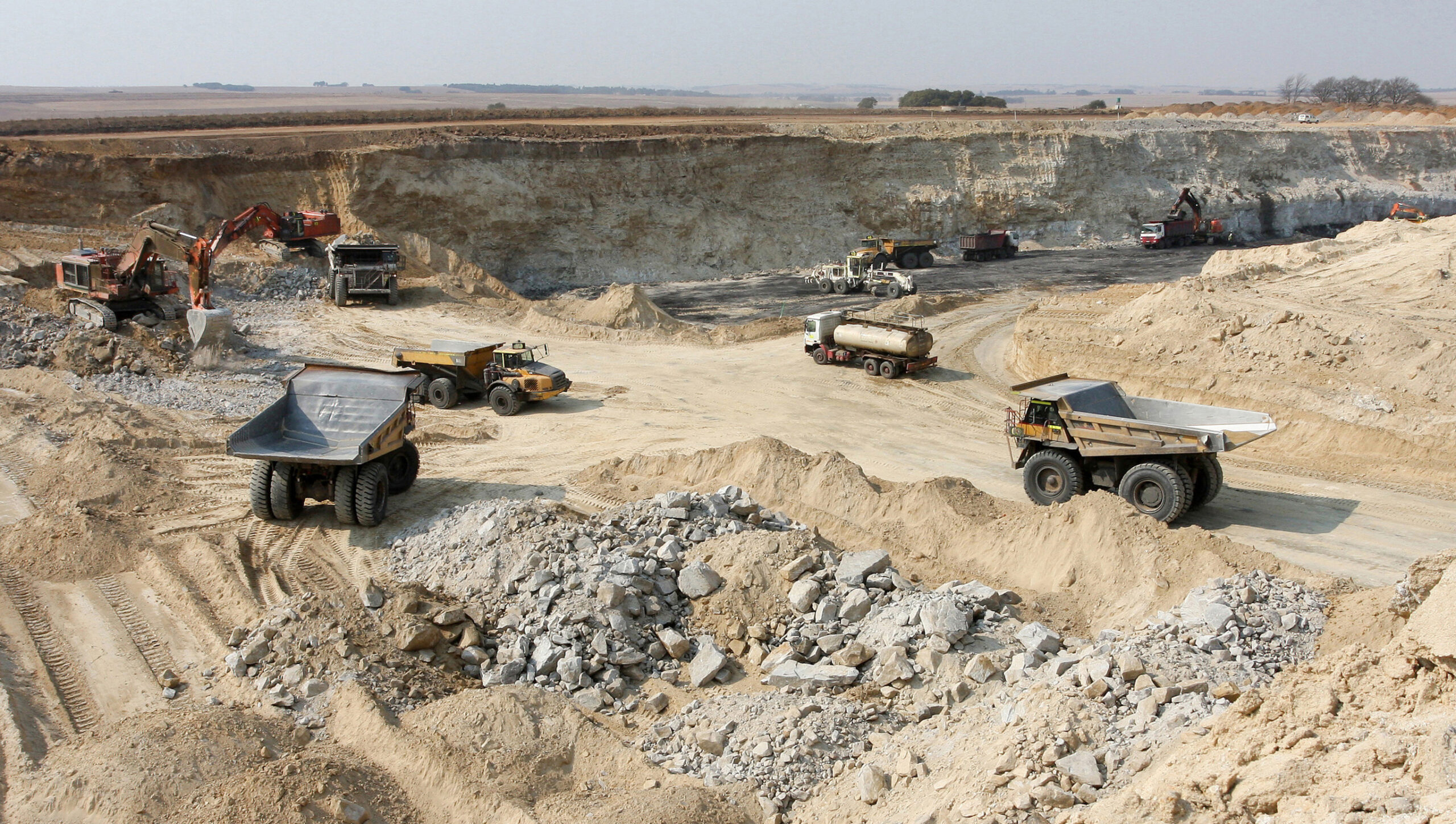
Despite this, globally, pollution kills 9 million people a year with Africa accounting for the largest percentage of these deaths.1 Additionally, Africa loses an estimated USD 195 billion annually to environmental degradation, illicit financial flows, and unsustainable resource use.2 Notwithstanding the continent’s history of environmental exploitation during colonialism, Africa continues to face a complex interplay of environmental issues, including climate change, deforestation, water scarcity, and pollution from activities of business enterprises which significantly affect local communities.
Underlying these challenges are obscene inequalities of wealth and power, which lie at the center of many corporate human rights abuses. In the African context, the growing economic, social and political influence of big businesses, including extractive companies, has raised important questions about corporate accountability and the ability of states to protect human rights.
Addressing the environmental impacts of business-related activities in Africa therefore remains crucial, given the continent’s grave environmental crises and growing investments that pose significant risks to its environmental resources and people.
The UNGPs and the evolving relationship between business, human rights and the environment in Africa /
The UN Guiding Principles on Business and Human Rights (UNGPs) were developed in 2011 to address governance gaps arising from the growing influence of business enterprises and the inadequacy of existing measures by states to prevent and respond to business-related human rights abuses. The UNGPs therefore provide a framework through which many environmental impacts related to business activities can be understood and addressed through their connections to human rights risks. As of November 2026, six countries including Kenya, Uganda, Nigeria, Liberia, Ghana and Malawi have developed National Action Plans (NAPs) on Business and Human Rights. As we mark 15 years since the adoption of the UNGPs, reflecting on their contribution to addressing the environmental dimensions of business-related impacts in Africa and strengthening environmental human rights governance is crucial.
The development of NAPs provides a firm policy framework directing business enterprises to respect human rights, including the internationally recognized right to a clean and healthy environment, and proposes policy actions that support their implementation. These efforts align with broader regional frameworks, as well as economic and governance priorities. Environmental protection and the promotion of environmental rights feature prominently across the African National Action Plans on Business and Human Rights adopted to date.
While Kenya, Uganda and Liberia expressly identify the environment as a priority thematic area, Nigeria, Ghana and Malawi address environmental concerns through dedicated sections and policy strategies. This demonstrates growing recognition of the relationship between business activities, human rights and environmental protection within national business and human rights (BHR) frameworks.
In Africa, NAPs are increasingly relevant as instruments for promoting policy coherence and strengthening multi-stakeholder coordination across the business, environmental and human rights governance landscape. NAPs have provided a framework for bridging institutional silos between environmental governance and the BHR agenda, and facilitating the integration of human rights standards into environmental regulation and business practices.
However, realizing this potential requires NAPs to move beyond broad policy commitments towards clearly defined institutional responsibilities, joint implementation arrangements, measurable indicators and sustained multi-stakeholder engagement.
From policy commitments to effective implementation /
The UNGPs have contributed to a shift in expectations regarding corporate accountability, particularly through the development and increased uptake of human rights due diligence (HRDD). Many NAPs call on businesses to exercise due diligence in their operations and business relationships so as to avoid adverse human rights impacts. In most African countries, national laws exist that require aspects of HRDD indirectly. These include the Environmental management and Coordination Acts, which require businesses to conduct Environmental and Social Impact Assessments (ESIAs) for projects that may significantly affect the environment, before they can get licenses to operate.
However, these laws and policies are largely outdated, and not comprehensive to cover all human rights risks. While the majority of NAPs address due diligence, they do so largely through voluntary measures, creating implementation and policy coherence gaps. Looking ahead, NAPs need to continue evolving in order to strengthen coherent and effective regulatory reform. In a context where mandatory human rights and environmental due diligence laws are accelerating globally, NAPs play an essential role in strengthening national due diligence practices.
Alongside stronger due diligence frameworks, effective protection also depends on the meaningful participation of people affected by business activities.
Environmental rights encompass both substantive rights, which guarantee the enjoyment of a clean, healthy and sustainable environment, and procedural rights, which enable individuals and communities to participate without intimidation or discrimination, and influence decisions affecting their environment and seek accountability and redress where these rights are violated. The effective protection of these rights requires meaningful participation of rights-holders, particularly Indigenous Peoples, local communities and environmental human rights defenders, in environmental governance and business decision-making processes.
However, structural barriers including power imbalances, limited access to information and legal awareness, and fear of reprisals often undermine their ability to participate effectively in environmental and human rights due diligence processes and influence decisions at project level. The rights to participation and access to information constitute core components of self-determination, non-discrimination and environmental governance. While placing obligations on states and responsibilities on business enterprises, these rights provide safeguards for meaningful participation of rightsholders to influence decisions affecting their right to a clean and healthy environment and for their effective enjoyment of their rights. There is an opportunity for implementation of the UNGPs to continuously clarify and promote more predictable and consistent enforcement of these safeguards by business enterprises.
The importance of addressing these implementation gaps is becoming increasingly evident as Africa takes on a central role in the transition.
Emerging challenges and opportunities /
Africa sits at the heart of the global energy transition. With over 30%3 of the world’s critical mineral reserves, including cobalt, lithium, copper, graphite, and rare earths, the continent is central to decarbonization pathways and renewable energy systems. These materials also underpin the digital infrastructure, including data centers, AI systems, and electronic devices worldwide.
While these sectors offer significant opportunities for sustainable development and climate resilience, they also generate equally devastating environmental impacts such as deforestation, soil erosion, toxic waste, and water pollution, threatening local communities’ health and undermining ecosystem integrity. These risks are also inherent in the implementation of climate mitigation projects such as carbon projects amongst other nature-based solutions.
To complement national and regional efforts, the UNGPs provide a holistic perspective that considers the full value chain of decarbonization technologies, from resource extraction and production to deployment and use. Enhancing their integration in Africa’s AI and climate governance to promote responsible business conduct is key for environmentally sustainable decarbonization.
National Human Rights Institutions (NHRIs), in line with the UNGPs and their protection mandate, play a critical role in monitoring corporate respect for human rights. As national oversight institutions, they are increasingly called upon to monitor both state and corporate respect for the right to a clean and healthy environment. However, some NHRIs lack an explicit mandate to monitor the activities of businesses, making it difficult to protect against business-related environmental rights abuse and seek remedy for them. Also, few have quasi-judicial powers to issue and enforce legally binding decisions against corporate actors.4
Additionally, cross-border and transnational cases, particularly those involving environmental harm, pose unique challenges given the territorial limitations of NHRIs’ jurisdictions. As key non-judicial remedy mechanisms, NHRIs face significant challenges in effectively addressing corporate rights abuses due to limitations in their legal mandates and statutory powers. Looking ahead and building on regional efforts, the UNGPs can contribute to addressing the structural misalignment that underlies NHRIs’ mandate and power gaps. Leveraging UNGPs, NHRIs can continue to purposively interpret their mandate to address corporate-related environmental rights abuse and strengthen national and cross-border coordination and information-sharing.
Conclusion /
Fifteen years after the adoption of the UNGPs, the business and human rights agenda has made important progress. The Guiding Principles have achieved notable milestones, including informing national action plans, inspiring mandatory Human Rights Due Diligence (mHRDD) legislation in several jurisdictions and shaping corporate policies worldwide. Their framework has helped establish a common understanding of the respective responsibilities of States and businesses and the importance of access to remedy.
At the same time, growing recognition of the right to a clean, healthy and sustainable environment has reinforced the need to address the environmental dimensions of business-related human rights impacts. For Africa, this convergence is particularly significant given the continent’s vast natural resource wealth that puts it at the heart of global development.
Looking beyond the boundaries of the UNGPs remains key, with an openness to new approaches that challenge structural power dynamics and move beyond compliance-based solutions.
Building on the existing regional and national normative frameworks, the UNGPs offer a practical foundation for enhancing policy coherence for sustainability across relevant fields of law, policy and development with the protection of people and the planet.
The next phase of UNGPs implementation must address siloing and bridge interdisciplinary divides, placing people and the environment at the center of business and development. Beyond commitments, the UNGPs also offer an opportunity to advance progressive national regulatory frameworks and enforcement for stronger and more coherent governance of business activities.
1 See https://www.reuters.com/business/environment/pollution-killing-9-million-people-year-africa-hardest-hit-study-2022-05-17/
2 See The 5th African Business and Human Rights Forum
3 International Monetary Fund, Harnessing Sub-Saharan Africa’s critical mineral wealth, (2024).https://www.imf.org/en/news/articles/2024/04/29/cf-harnessing-sub-saharan-africas-critical-mineral-wealth?utm_source=chatgpt.com
4 https://doi.org/10.1007/s12142-021-00639-9
* Furaha Charo is a human rights practitioner with experience in policy and development work on broad governance, environmental and human rights issues. She works within the broad realm of international human rights law specializing in sustainable oceans, business and human rights, with a keen eye on integrating gender transformative approaches. She is currently finalizing her doctoral studies in environmental law at the University of Nairobi. She leads the Network of African National Human Rights Institutions’ (NANHRI) regional and global interventions on business and human rights, corporate accountability & sustainable oceans.